Brewing
30 articles
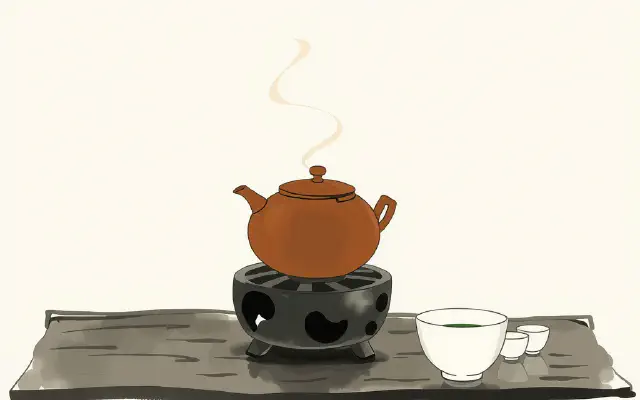
Choosing a Tea Kettle (煮水壶): Material, Temperature, and the Pour
The One Piece of Teaware Every Cup Passes Through You can switch gaiwans, rotate through pots, and change the tea every …
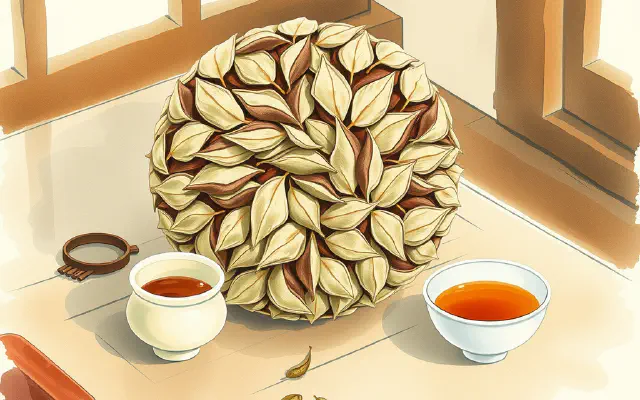
Aged White Tea (老白茶): What Changes, What Fakes It, and How to Brew It
The Only Chinese Tea Sold Twice White tea is the simplest tea in China to make — wither, dry, done — and one of the …
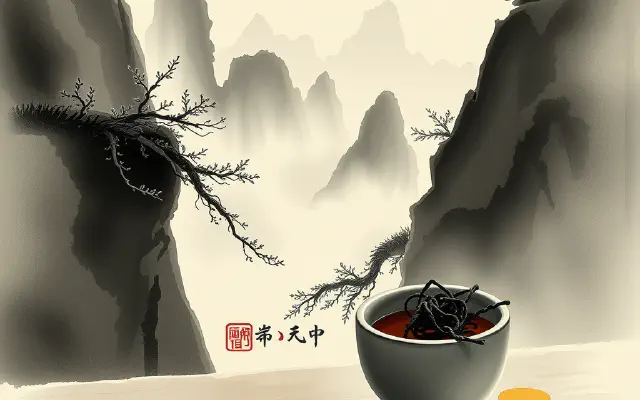
Tie Luo Han (Iron Arhat - 铁罗汉)
The Oldest of the Four Famous Bushes Wuyi rock tea has a short list of aristocrats: the Si Da Ming Cong (四大名丛), the …
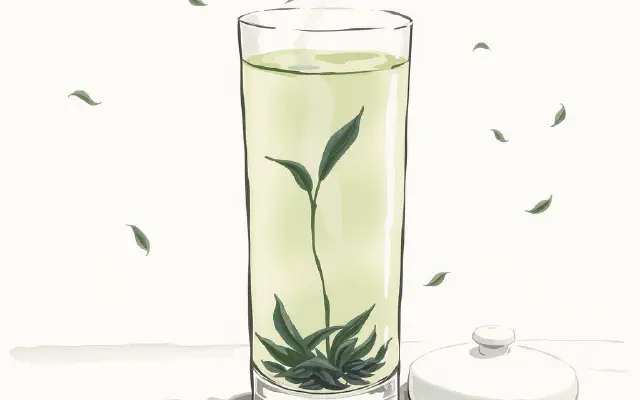
Grandpa Style Brewing (玻璃杯泡茶): Leaves in a Glass, All Day Long
How Most of China Actually Drinks Tea Put a pinch of leaves in a tall glass. Pour hot water on top. Drink. When the …
Bailin Gongfu (Bai Lin Gong Fu - 白琳工夫)
The Red Tea Made From a White Tea Plant Here is the detail that makes this tea worth knowing: Bailin Gongfu is made …
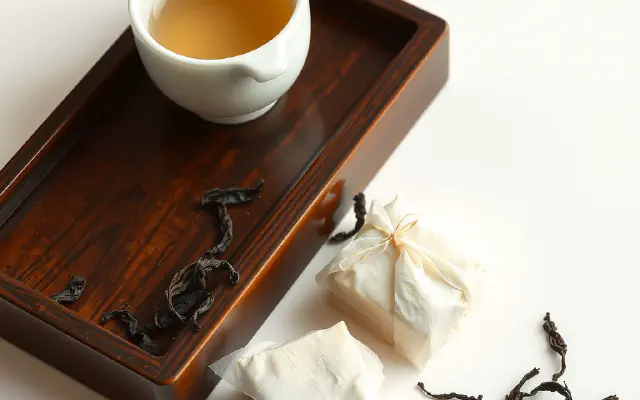
Zhangping Shuixian (漳平水仙): The Oolong That Comes in Squares
One Cultivar, Two Completely Different Teas If you have had Shuixian before, you have probably had the Wuyi version: a …
Tasting Vocabulary for Chinese Tea (品茶术语): What Hui Gan and Sheng Jin Actually Mean
The Words Nobody Translates Read enough tea listings and you hit a wall. A sheng pu-erh is praised for its hui gan; an …
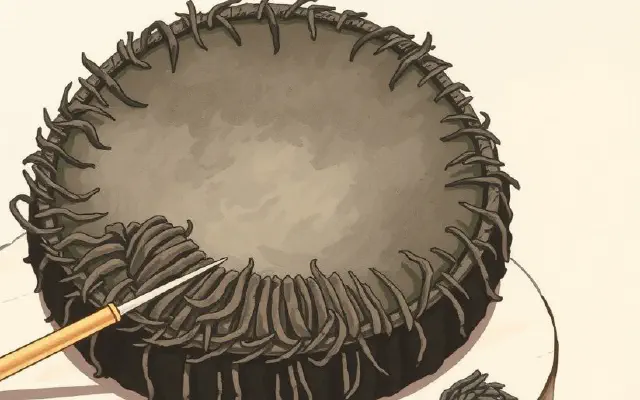
Breaking a Pu-erh Cake (撬茶): The Tool, the Angle, and the Jar
The Problem Nobody Warns You About You buy your first pu-erh cake, get it home, and discover that 357 grams of tea have …
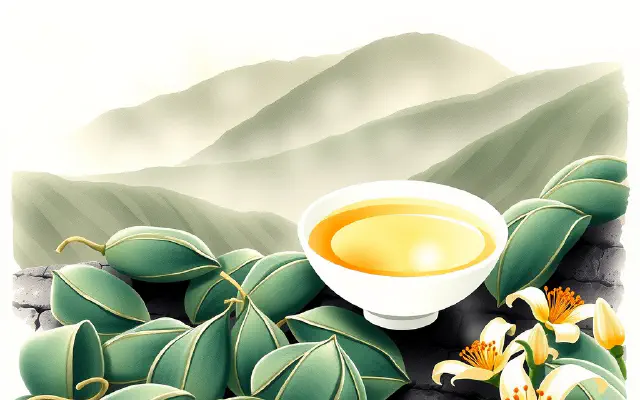
Jin Xuan (Milk Oolong - 金萱)
The Tea Everyone Mislabels Walk into any tea shop and ask for “milk oolong,” and you may get one of two completely …
Caffeine in Chinese Tea (茶与咖啡因): What Actually Changes the Number in Your Cup
The Chart You’ve Seen Is Mostly Wrong Every tea shop has one: a tidy table saying white tea has 15mg of caffeine, green …
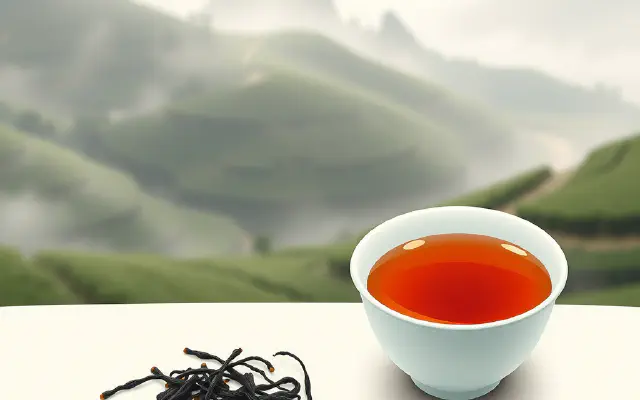
Tanyang Gongfu (Panyang Congou - 坦洋工夫)
The Tea That Taught Europe to Say “Congou” If you have read old British tea catalogues, you have met this tea under a …
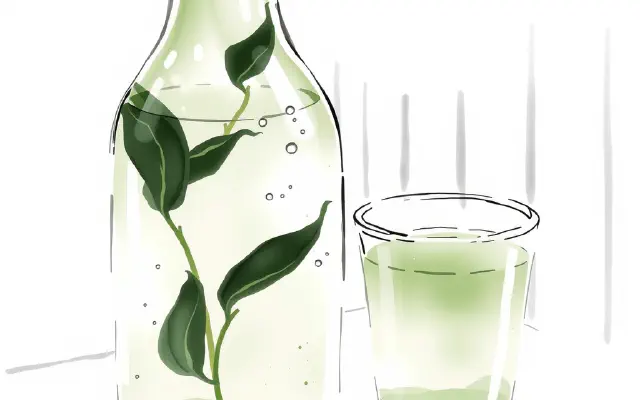
Cold Brewing Chinese Tea (冷泡茶): The Method That Fixes Bitterness
The Easiest Brewing Method You’re Not Using Cold brewing (冷泡茶) is almost embarrassingly simple: put leaves in cold …
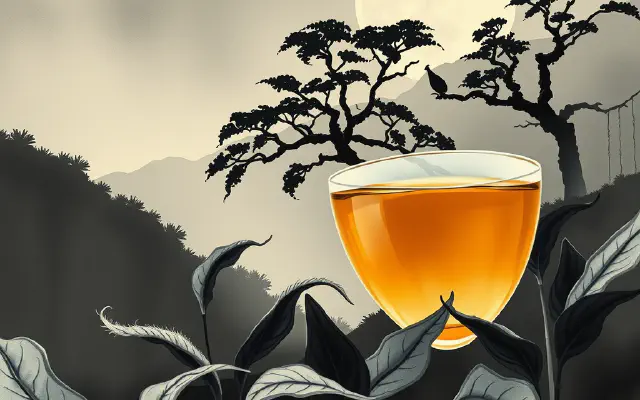
Yue Guang Bai (Moonlight White - 月光白)
The Odd One Out Every white tea on this site so far comes from Fujian: Silver Needle, White Peony, Gong Mei, Shou Mei. …
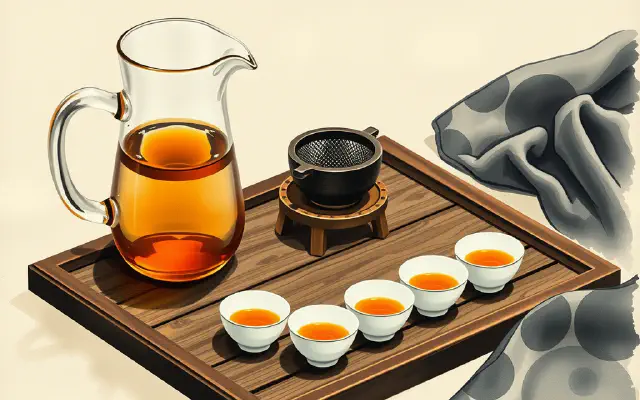
Cha Hai, Cups, and Strainers (公道杯): The Supporting Cast of a Gongfu Table
The Half of the Table Nobody Shops For Everyone agonizes over the first gaiwan and the first zisha pot. Almost nobody …
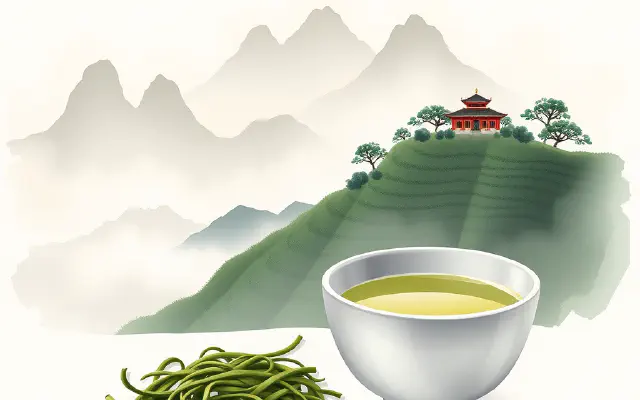
Mengding Ganlu (Sweet Dew - 蒙顶甘露)
Tea From The Mountain Where Tea Started Most famous Chinese greens come from the east — Zhejiang, Jiangsu, Anhui. …
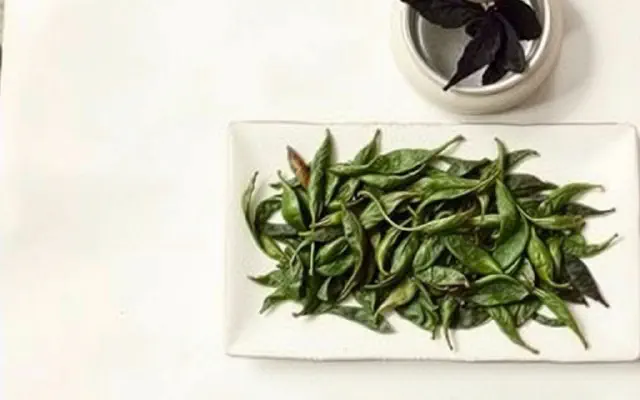
Reading the Leaf Bottom (叶底): What Spent Leaves Tell You
The Step Everyone Skips You finish the last infusion, and the leaves go in the compost. That’s a shame, because the wet …
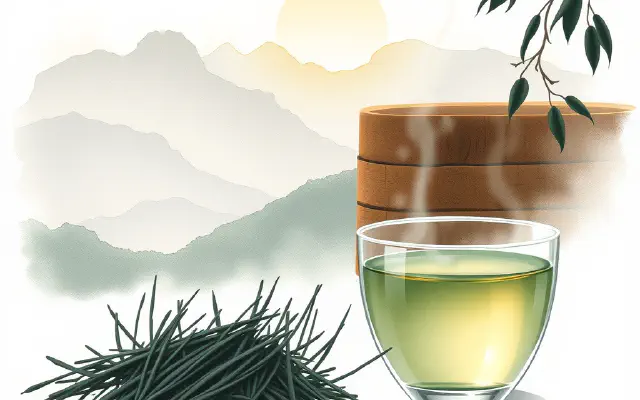
Enshi Yulu (Jade Dew - 恩施玉露)
The One Chinese Green Tea That Is Steamed Almost every famous Chinese green tea is pan-fired: the fresh leaf hits a hot …
Water for Tea: Choosing What Fills Your Cup (泡茶用水)
The Mother of Tea There is an old Chinese saying: 水为茶之母 — “water is the mother of tea.” A cup is somewhere between 98% …
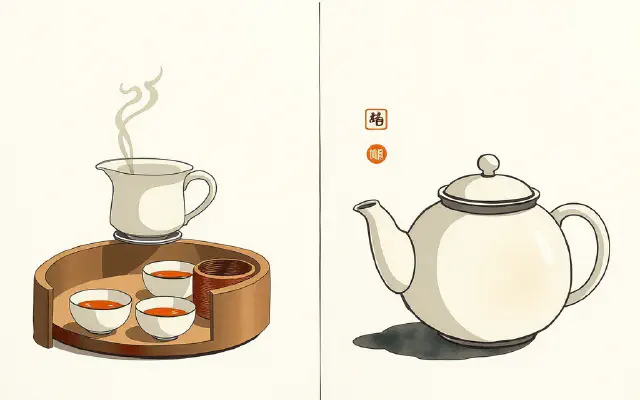
Gongfu vs. Western Brewing (工夫茶): Choosing the Right Method for Your Tea
Two Philosophies in One Cup Every tea you own can be brewed two fundamentally different ways. Western brewing uses a …
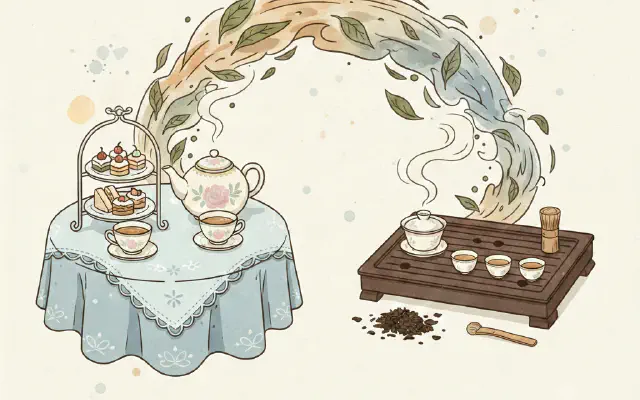
English Tea Culture: A Chinese Tea Lover's Guide to Afternoon Tea
Two Traditions, One Source: Exploring English Tea Culture Through Chinese Eyes For Chinese tea enthusiasts, English tea …
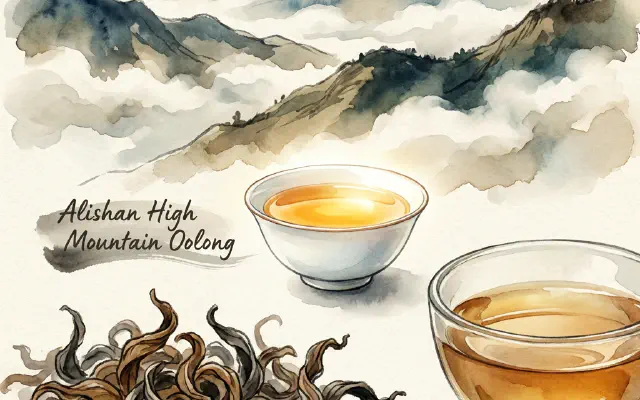
Alishan High Mountain Oolong (阿里山高山烏龍)
The Culture: The Icon of High Mountain Tea Alishan is the most famous and beloved of Taiwan’s Gao Shan (High Mountain) …
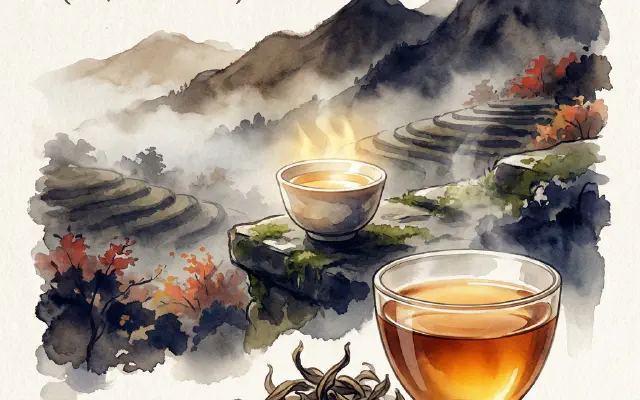
Da Hong Pao (Big Red Robe - 大红袍)
The Myth and History: The Scholar’s Robe Da Hong Pao is perhaps the most legendary of all Chinese teas. Its history is …
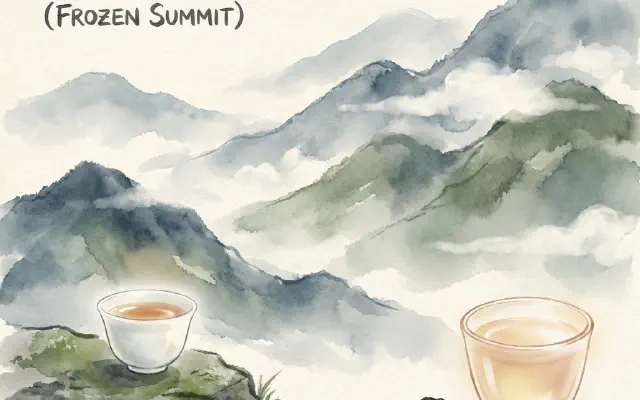
Dong Ding Oolong (Frozen Summit - 冻顶乌龙)
The History: The Frozen Summit Dong Ding (literally “Frozen Summit”) is perhaps the most famous of all Taiwanese …
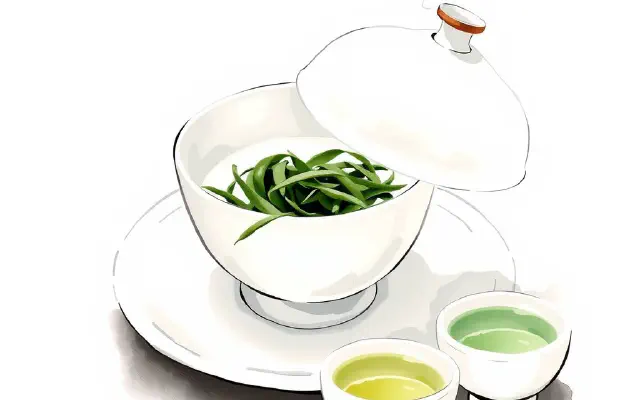
Gai Wan
1. A Journey Through Time: The History of the Gaiwan The name “Gaiwan” literally translates to “Lidded Bowl” (Gai 盖 …